To experience Belize well is to move with the natural pulse of the land and sea. The Belize climate is more than a weather report—it shapes everyday life. It influences when citrus is harvested, when scarlet macaws move through the forests, and when the Caribbean waters are at their clearest.
Unlike the four distinct seasons many travelers are used to, Belize climate follows a subtropical rhythm built around two main patterns: Wet and Dry. Within that rhythm are subtle shifts—cool breezes from the north, misty mornings along jungle rivers, and long sunlit days on the cayes. This guide offers a clear, month-by-month look at the Belize climate so you can decide which time of year best matches the kind of experience you’re hoping for.
Belize Climate at a Glance
The Foundation: Wet vs. Dry Seasons
Winter Refresh: December to February
The Peak Dry Season: March to May
The Summer Awakening: June to August
The Autumn Pulse: September to November
Regional Microclimates: Coast, Mountains, and Islands
Water Temperatures & Reef Visibility

Belize Climate: The Foundation: Wet vs. Dry Seasons
At its most basic level, the Belize climate follows two primary seasons. Average temperatures remain warm throughout the year—typically around 84°F—so the key difference between seasons is the amount of rainfall.
The Dry Season (February – May)
This stretch of the year generally brings lower humidity, clearer skies, and steady trade winds. It’s a comfortable time for long days outdoors—whether exploring Maya archaeological sites, traveling between villages, or heading out to sea.
The Green Season (June – January)
Many people refer to this as the “rainy season.” The forests deepen in color, rivers run fuller, and short afternoon showers cool the air – hence, the Green Season!
Rain rarely lasts all day, and mornings are often bright and ideal for exploring.

Winter Refresh: December to February Belize Climate
For many visitors, this period offers some of the most comfortable weather in Belize—especially for those escaping colder northern climates. The Belize climate during these months is influenced by “Nortes,” cool fronts that occasionally drift down from North America.
December: The Transition
December bridges the heavier autumn rains and the coming dry season. The countryside is at its greenest, evenings feel pleasantly cool, and villages come alive with holiday celebrations and community gatherings.
January: The Coolest Month
January is typically the coolest month of the year. The slightly milder temperatures make it an excellent time for exploring archaeological sites like Xunantunich or spending long days walking through villages and forest trails.
February: The Gateway to Dry
The trade winds begin to strengthen. These breezes create excellent conditions for sailing the cayes and make it a rewarding time for birdwatching, as many migratory species remain active in the forest canopy.

The Peak Dry Season: March to May
As the Belize climate cycle moves into spring, sunshine becomes the dominant feature. Days are bright and warm (to hot), and the sea often settles into long stretches of calm water.
March: High Sun and Calm Seas
Calm seas create ideal conditions for boat travel to the outer atolls and reef systems. This month also marks the beginning of the whale shark aggregation at Gladden Spit and Silk Cayes Marine Reserve—one of Belize’s most remarkable marine wildlife events.
April: The Heat Builds
April is typically one of the driest & warmest months of the year. Temperatures begin climbing into the high 90s (or higher). This period falls within Belize’s traditional shoulder travel season, when weather patterns tend to be especially predictable for outdoor activities like cave exploration, jungle hikes, and archaeological visits.
May: The Tropical Peak
May is often the warmest month in the Belize climate cycle. Inland temperatures can reach the into the low 100s, though coastal areas remain moderated by steady Northeast trade winds. Mango trees begin ripening, and the air carries the scent of tropical blossoms.
The Summer Awakening: June to August
By early summer, moisture begins returning to the landscape. Rivers swell, forests grow denser, and afternoon rains refresh the air.
June: The Arrival of the Rains
The first seasonal rains of June are often welcomed after the heat of late spring. June also marks the beginning of the Atlantic hurricane season, as well as the start of Lobster Season, celebrated with lively festivals in coastal communities like San Pedro, Caye Caulker and Placencia.
July: The Green Peak
July often brings regular afternoon showers that keep the jungle vibrant. For travelers who prefer quieter surroundings, this can be a particularly pleasant time to visit. The crowds of spring have thinned, and the landscape is especially photogenic.
August: The “Little Dry”
In the middle of the Green Season, Belize sometimes experiences a dry spell. For two or three weeks, the rains ease and the sun returns—an unexpected pause in the summer rhythm.
The Autumn Pulse: September to November
Autumn brings some of the most dynamic weather patterns of the year within the Belize climate cycle, but it is also one of the most culturally vibrant times to visit.
September: National Pride
September is a wet month, but the rain rarely dampens the energy of the celebrations. The country marks Independence Day on September 21st, and the weeks leading up to it are filled with parades, music, and community gatherings.
Warm, humid weather encourages a slower pace—perfect for travelers who enjoy settling into the rhythm of local life.
October: The Height of the Green Season
October typically receives the highest rainfall of the year. Rather than disrupting travel, these storms often become part of the experience. Watching a tropical system sweep across the Maya Mountains from a covered veranda can be surprisingly peaceful.
November: The Cooling Return
By mid-November, rainfall usually begins tapering off. Temperatures gradually ease, and a brief period of clear weather often arrives before the cooler December fronts.
Regional Microclimates: Coast, Mountains, and Islands
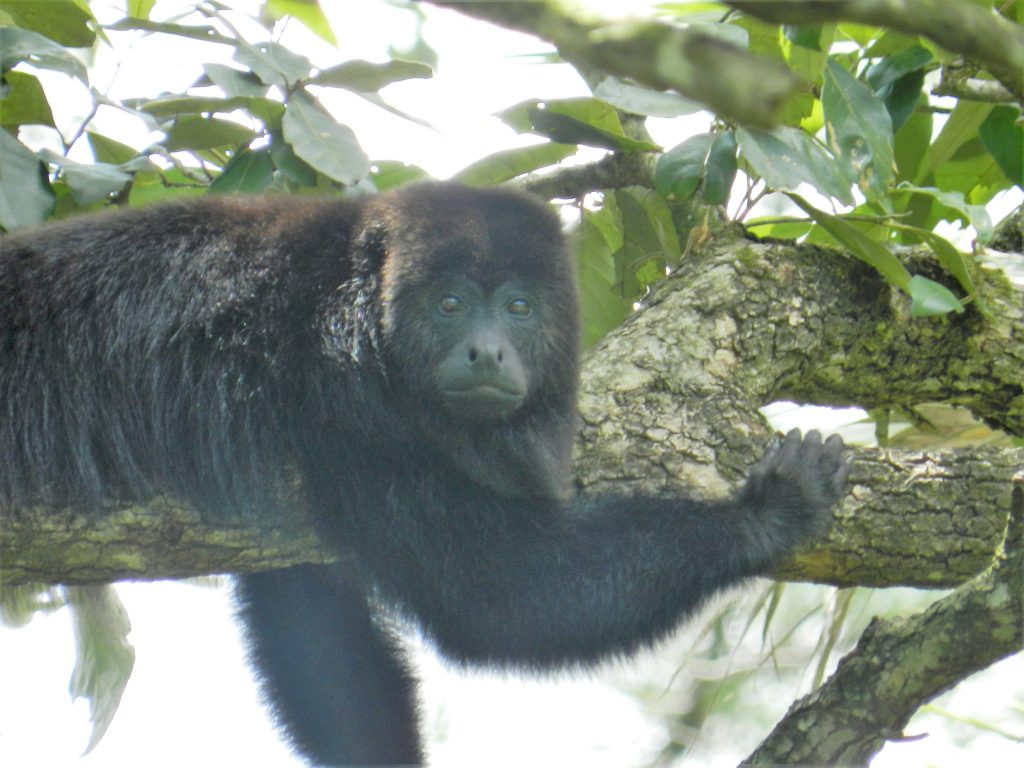
Although Belize is small, its geography creates noticeable differences in the Belize climate across regions. Within a short distance, travelers can experience distinct weather patterns.
| Region | Characteristic | Why Visit |
| The Cayes | Breezy and sunny; about 20% less rain than the mainland | Ideal for reef visibility and steady sea breezes |
| Cayo (Inland) | Cooler nights and misty jungle mornings | Perfect for Maya history and river adventures |
| Maya Mountains | Higher rainfall and occasional temperatures in the 50s | Best for waterfalls and pine forest hiking |
| The South (Toledo) | Most humid region with dense rainforest | Excellent for deep nature immersion and cacao tours |
Water Temperatures & Reef Visibility
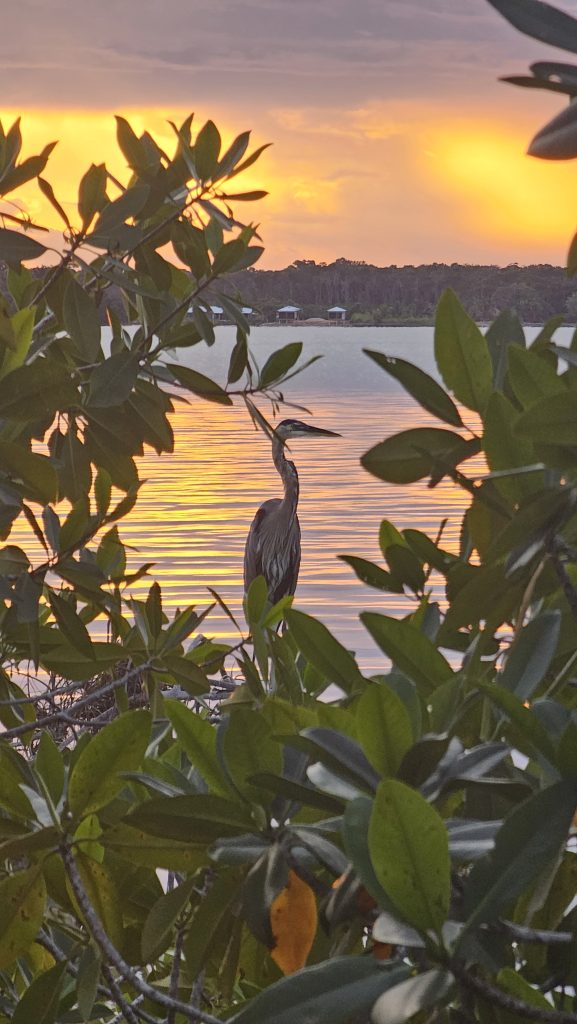
The Belize climate also shapes conditions beneath the surface of the sea.
Water temperatures in the Caribbean remain warm year-round, typically between 78°F and 84°F, making snorkeling and diving comfortable in every season.
Clarity
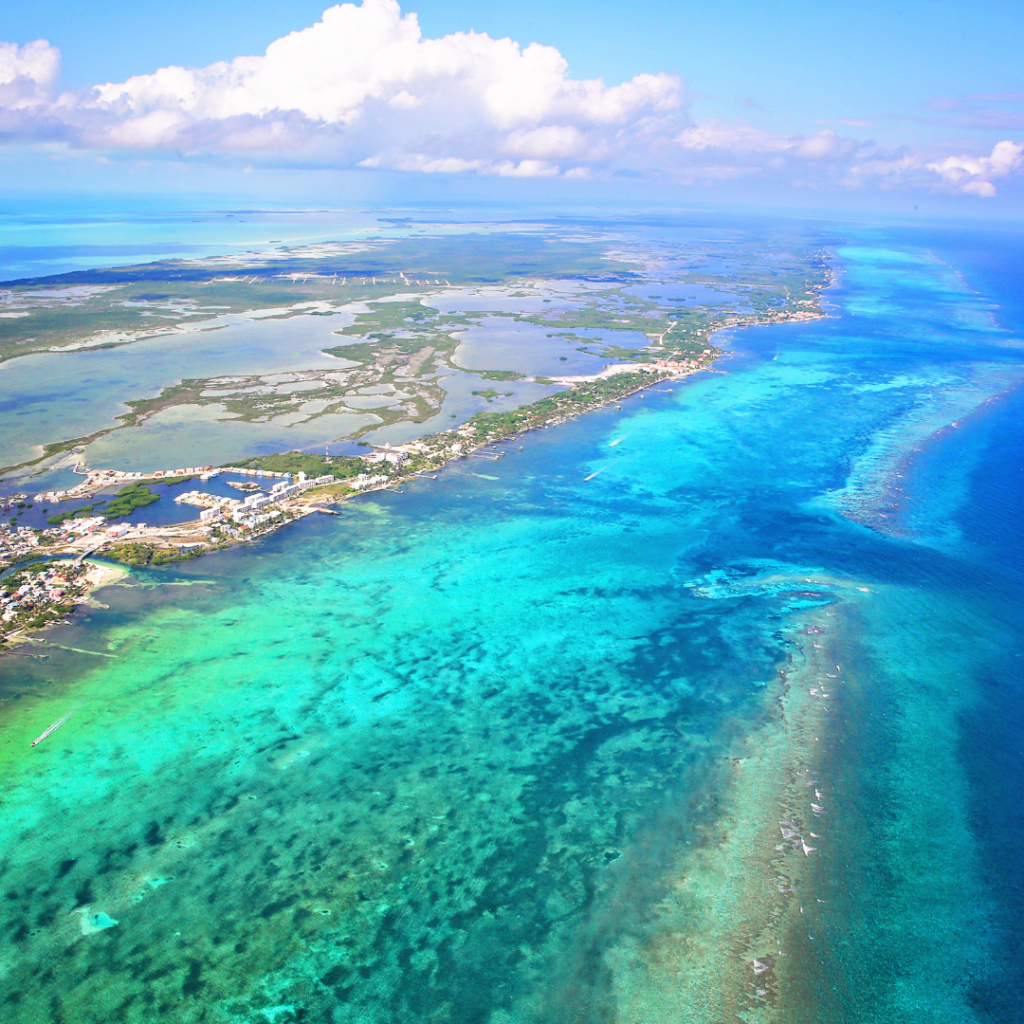
Visibility tends to be highest during the dry months from March through May, when minimal rainfall means less river runoff entering the sea.
Sea State
Spring usually brings the calmest waters. During winter, Nortes can occasionally create choppier conditions along the reef, though these systems usually pass quickly.
Conclusion: A Belize Experience.
The Belize climate is not something to work around—it is part of what makes this country so vibrant and alive, shaping landscapes, wildlife, and daily life throughout the year.
Each month reveals a slightly different side of the country. Some travelers are drawn to the bright, dry days of April, while others prefer the misty jungle mornings of January.
Whenever you choose to visit, aligning your journey with the natural rhythm of Belize allows you to experience the country not simply as a destination, but as a place with its own pace and character.