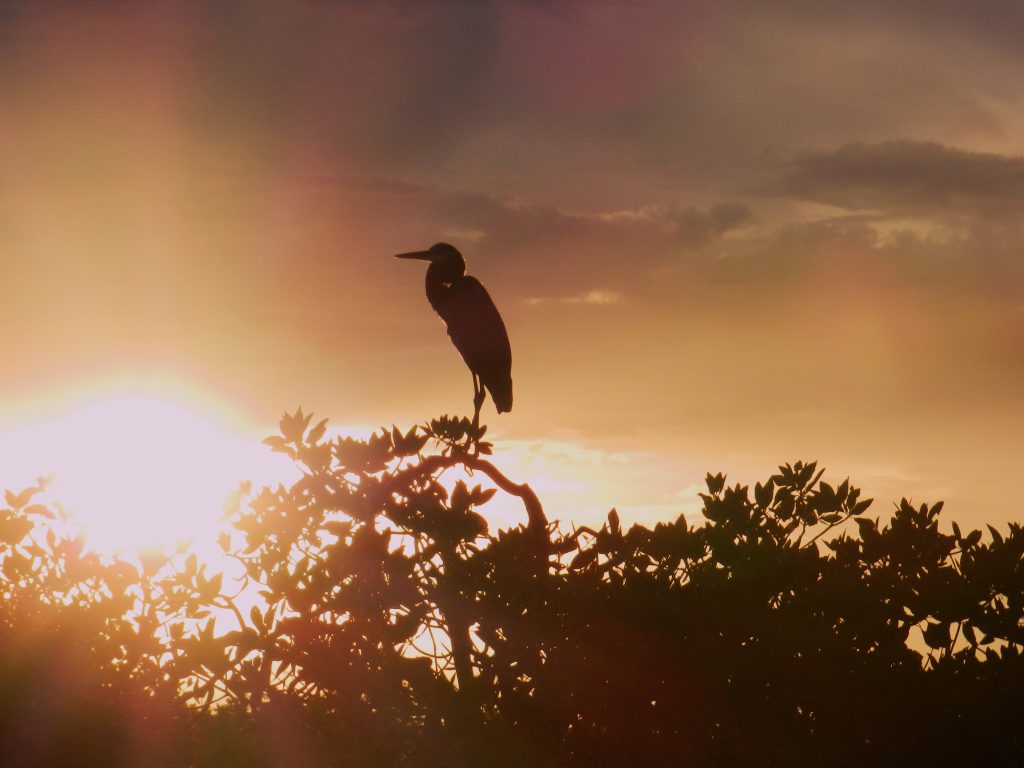
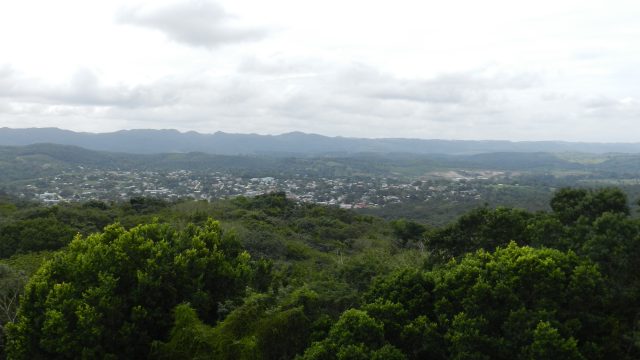
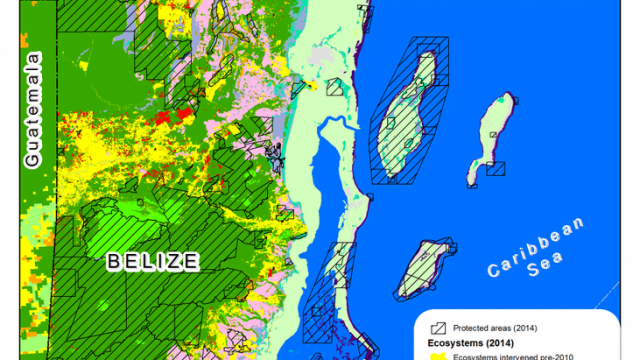
2014 update + simplification of Belize’s national ecosystems map, produced for the National Protected Areas Secretariat, and based on NASA Landsat/USGSLandsat data (terrestrial & marine portions of the map).
Belize Ecosystems are among the most diverse and intact in the Caribbean Basin. Within a country roughly the size of Massachusetts, you can move from tropical broadleaf rainforest to Caribbean pine forest, from lowland savannah to mangrove-lined coast, and from inland rivers to the second-largest barrier reef in the world.
For travelers who value ecological integrity, conservation, and immersive learning experiences, Belize offers something increasingly rare: functioning, connected ecosystems that remain accessible without feeling overrun.
This guide explores the major Belize Ecosystems, using terminology aligned with Belize’s official vegetation classifications, and explains how they interconnect across land and sea.
Click Below to Jump to the various Belize Ecosystems
- Lowland & Submontane Broadleaf Forest (Tropical Rainforest)
- Caribbean Pine Forest (Mountain Pine Ridge)
- Lowland Savannah
- Mangroves
- Marine Ecosystems & the Belize Barrier Reef
- Wetlands & Freshwater Swamps
- Riverine & Riparian Systems
- Karst & Cave Ecosystems
Lowland & Submontane Broadleaf Forest (Tropical Rainforest)
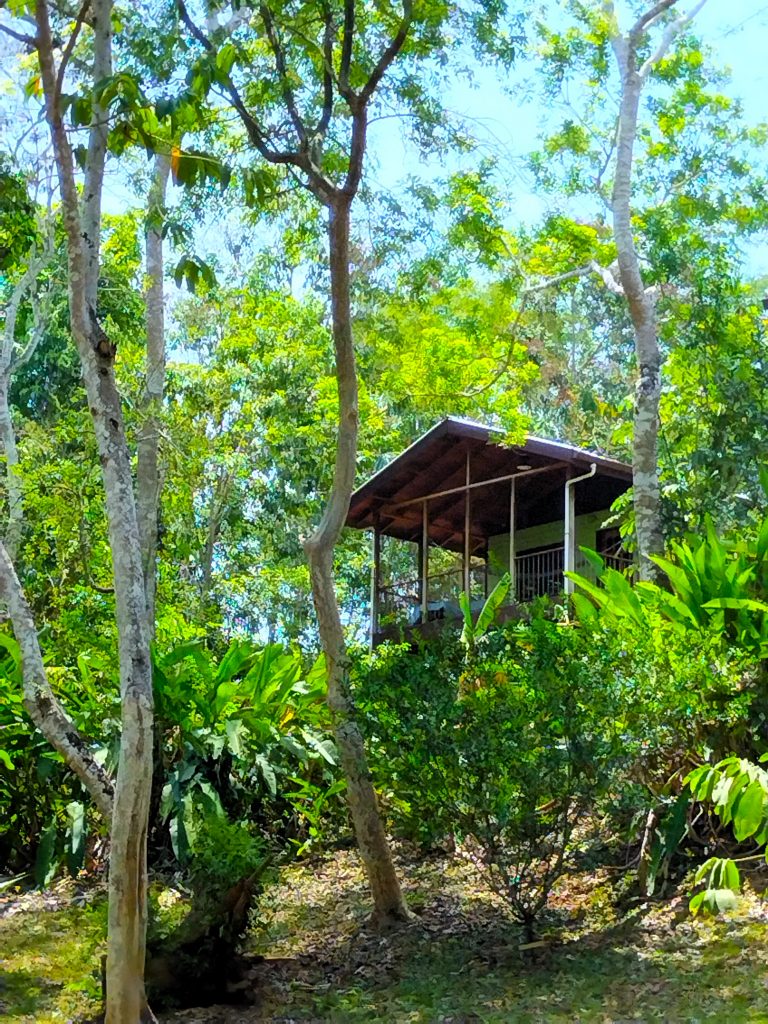
Belize’s lowland and submontane broadleaf forests form the ecological heart of the country. These forests dominate much of western and southern Belize and represent one of the largest remaining tracts of intact forest north of the Amazon Basin.
Characterized by dense, multi-layered canopies, these forests include:
- Emergent trees towering above the canopy
- Mid-story fruiting trees
- Understory palms and ferns
- Rich forest floor biodiversity
Wildlife includes:
- Baird’s tapir (Belize’s national animal)
- Jaguar and ocelot
- Black howler monkeys
- Keel-billed toucans
- Motmots and trogons
- Agoutis and coatis
These forests are also archaeological landscapes. Ancient Maya cities were built within these ecosystems, demonstrating long-term human interaction without total ecological collapse.
For visitors, this ecosystem offers opportunities for guided hikes, birding, wildlife observation, and visits to Maya sites set within forest clearings.
Caribbean Pine Forest (Mountain Pine Ridge)
The Caribbean Pine Forest ecosystem is distinct from rainforest and should not be confused with the savannah. Located primarily within the Mountain Pine Ridge region of western Belize, this ecosystem occurs at higher elevations and features:
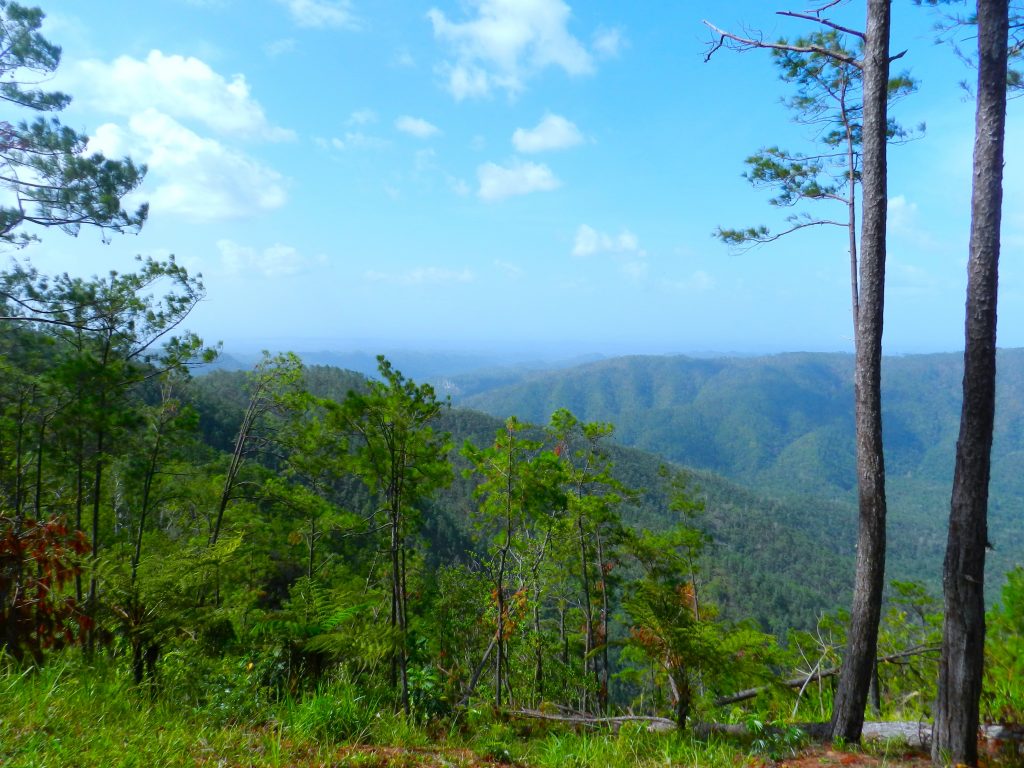
- Pinus caribaea (Caribbean pine)
- Granite bedrock outcroppings
- Open forest structure
- Cooler temperatures
- Fast-moving streams and waterfalls
This ecosystem feels dramatically different from surrounding broadleaf forest. Light penetrates more easily, grasses grow beneath pines, and the scent of resin replaces humid jungle air.
Wildlife here includes:
- White-tailed deer
- Gray fox
- Armadillo
- Pine-adapted bird species
The Mountain Pine Ridge Forest Reserve is one of the most visually surprising Belize Ecosystems. Water features such as Rio On Pools showcase granite formations shaped by highland rivers.
For those staying in western Belize, this ecosystem is easily accessible and provides a striking contrast to nearby jungle landscapes.
The Lowland Savannah
The lowland savannah ecosystem is found primarily between Belize City and Belmopan and in other central and northern regions. The Belize Zoo is also located in this area. This ecosystem is characterized by:
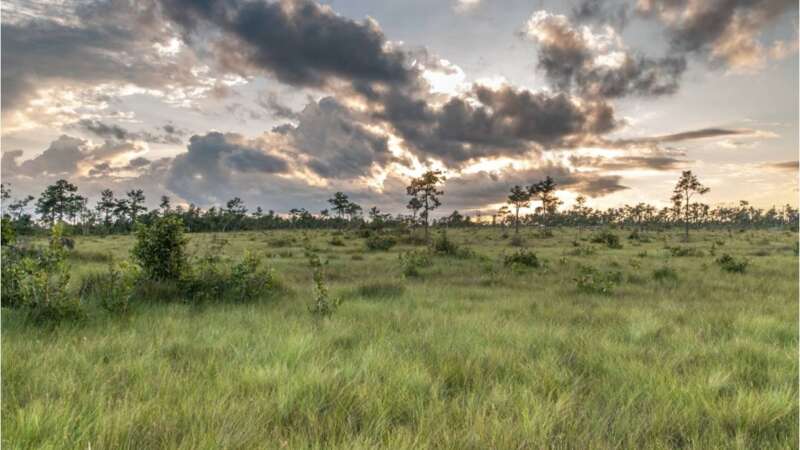
- Sandy or nutrient-poor soils
- Seasonal flooding
- Grasses and sedges
- Scattered shrubs and palmettos
- Occasional isolated trees
Unlike pine forest, savannah is largely treeless and open. At first glance it may appear sparse, but it supports specialized species adapted to fire cycles and seasonal moisture variation.
Wildlife includes:
- Armadillos
- Burrowing mammals
- Migratory birds
- Reptiles adapted to open terrain
Savannah ecosystems are globally underrepresented and often misunderstood. Their subtle beauty lies in expansive skies, shifting grasses, and ecological resilience.
Mangroves
Mangroves line Belize’s coastline and cayes. These salt-tolerant ecosystems are essential components of Belize Ecosystems.
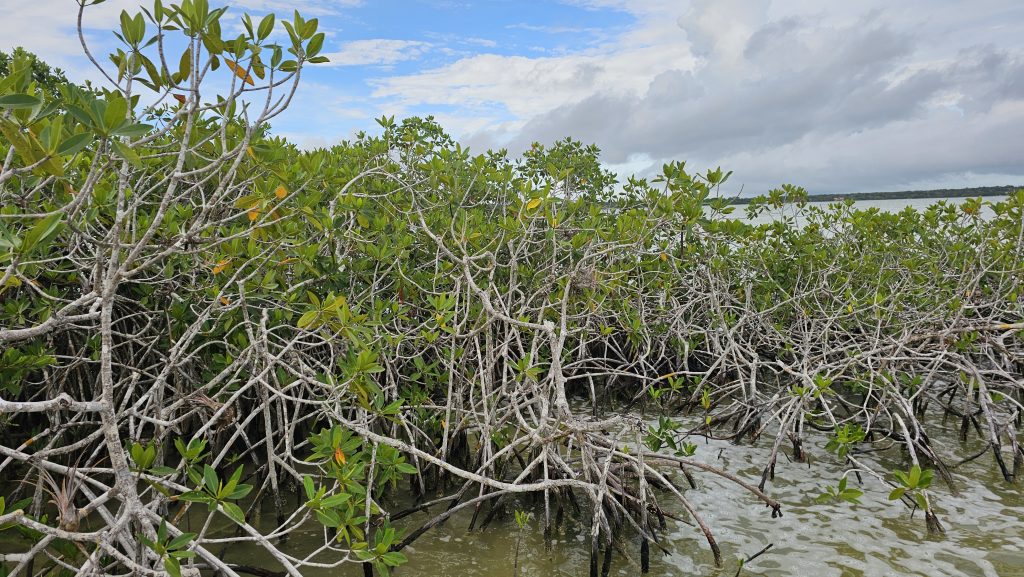
Mangroves:
- Stabilize shorelines
- Reduce hurricane storm surge
- Filter sediment
- Provide nursery habitat for fish and crustaceans
- Store significant carbon
The exposed root systems create intricate underwater habitats that support juvenile marine species before they migrate to coral reefs.
Without mangroves, the reef system would struggle.
Marine Ecosystems & the Belize Barrier Reef
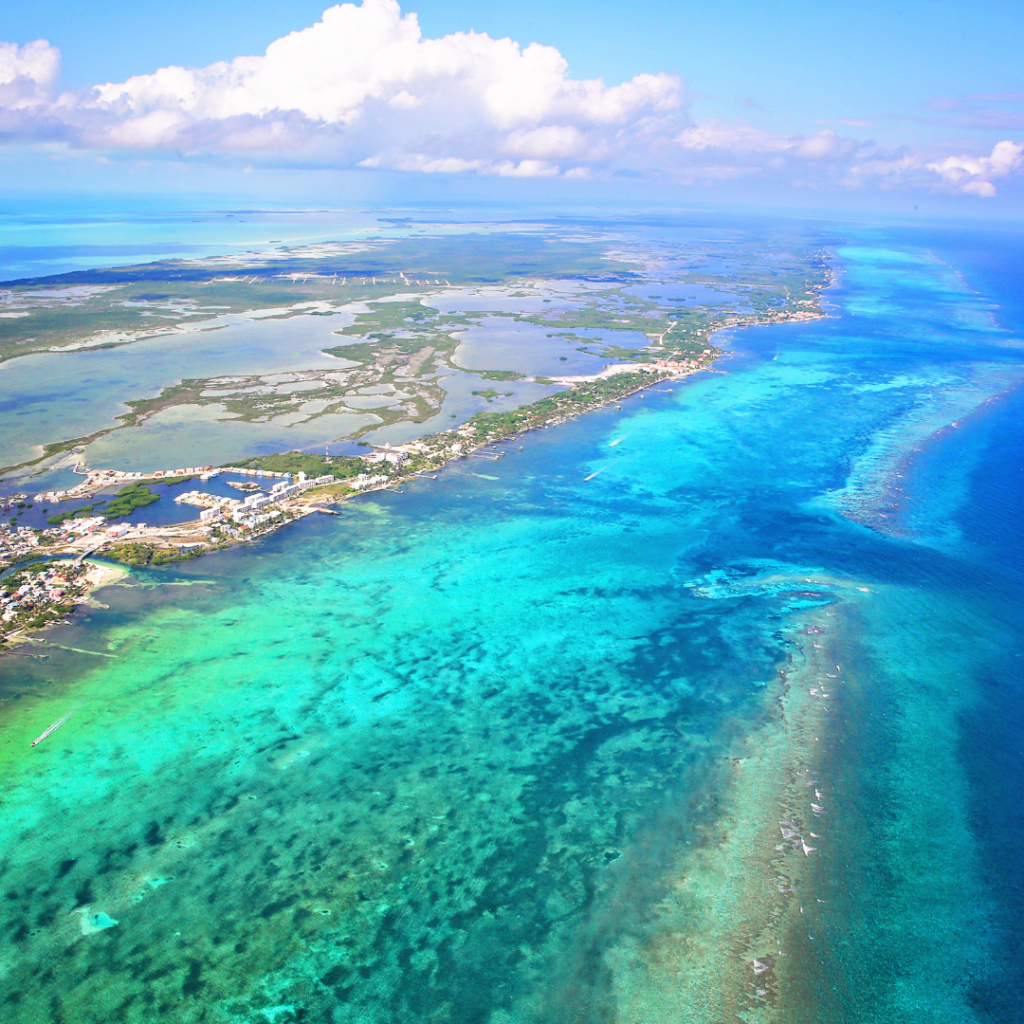
The Belize Barrier Reef is the second-largest barrier reef system in the world and a UNESCO World Heritage Site.
This marine ecosystem includes:
- Hard and soft coral species
- Seagrass beds
- Patch reefs
- Atolls (Turneffe, Lighthouse, Glover’s)
- Over 500 fish species
It supports sea turtles, rays, nurse sharks, manatees, and seasonal whale sharks.
The reef is deeply interconnected with mangroves and inland waters. Nutrient flow, sediment management, and coastal health all influence reef resilience.
Responsible marine tourism practices are essential to maintaining this ecosystem.
Wetlands & Freshwater Swamps
Wetlands in Belize include freshwater swamps, marshes, and lagoons. These ecosystems:
- Store freshwater
- Mitigate drought
- Reduce flooding
- Support migratory bird species
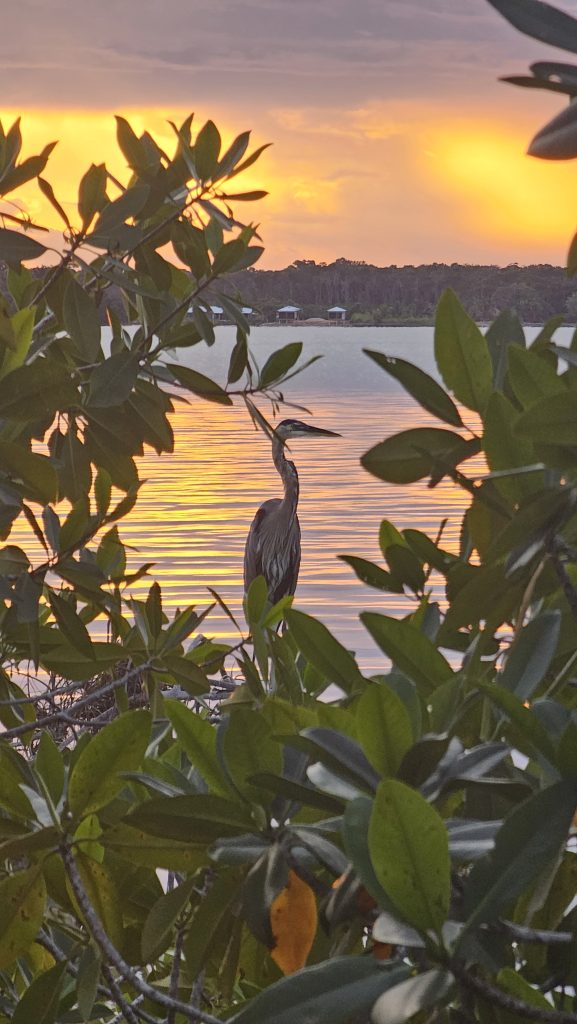
Species such as jabiru storks, herons, crocodiles, and amphibians depend on wetland habitats.
Wetlands often operate quietly in the background of ecological discussions but are critical to maintaining balanced hydrology across Belize Ecosystems.
Riverine & Riparian Systems
Belize’s river systems — including the Macal, Belize, and New Rivers — create riparian corridors that connect multiple ecosystems.
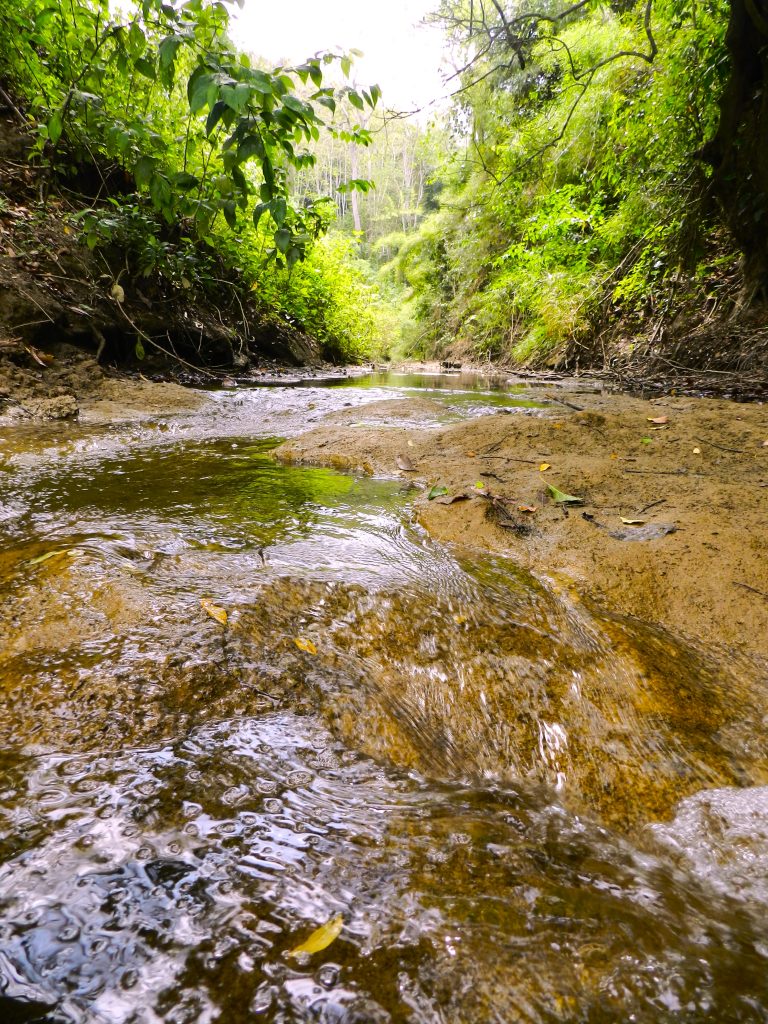
Riparian zones provide:
- Wildlife movement pathways
- Drinking sources
- Seed dispersal routes
- Nutrient exchange
The Macal River, flowing from Mountain Pine Ridge through western Belize, exemplifies how pine forest transitions into broadleaf forest and then into larger watershed systems.
Kayaking or canoeing along these rivers offers one of the most immersive ways to observe Belize Ecosystems in motion.
Karst & Cave Ecosystems
Belize sits atop extensive limestone bedrock, creating a karst landscape with:
- Sinkholes
- Underground rivers
- Cave chambers
- Speleothems (stalactites and stalagmites)
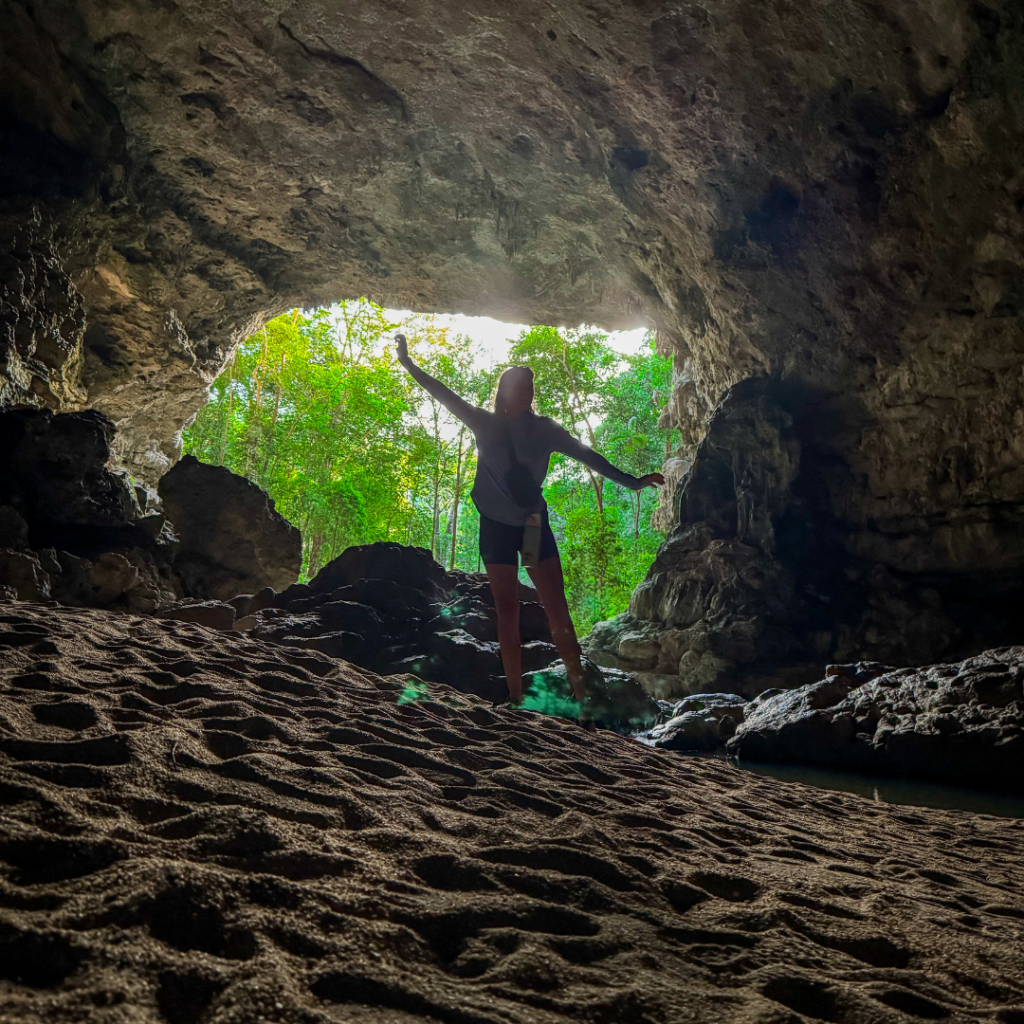
Cave ecosystems are stable, humid environments supporting bats and specialized invertebrates.
Sites like Rio Frio Cave (in photo above) demonstrate how geological processes shape Belize Ecosystems beneath the surface.
Why Belize Ecosystems Matter
Belize protects approximately 40% of its land and significant marine territory under conservation frameworks. The country is part of the Mesoamerican Biological Corridor, allowing wildlife to move across regional boundaries. For an excellent visual of the ecosystems of Belize check out Data Basin’s Map. (it may take awhile to load, so please be patient)
What makes Belize exceptional is not just the ecodiversity — it is connectivity.
Broadleaf forest links to pine forest. Rivers link to mangroves. Mangroves link to reef. Caves link hydrologically to rivers. Each ecosystem influences the next.
For travelers seeking authenticity, learning, and meaningful connection with nature, Belize Ecosystems offer more than scenery — they offer ecological continuity.
And in a world where fragmentation is increasingly common, that continuity is something worth experiencing thoughtfully.