What are the most important facts about Belize to know before visiting?
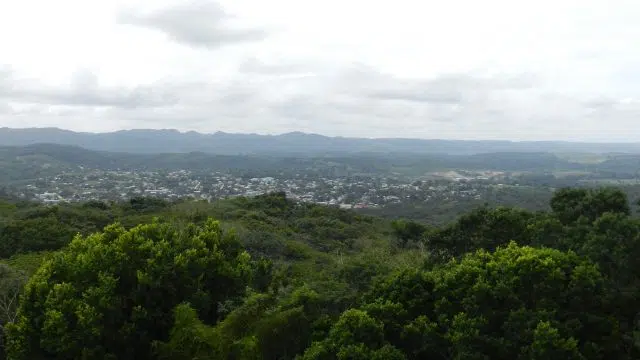
Belize is a small, uncrowded nation in Central America, roughly the size of Massachusetts, with a population under 400,000. For travelers, it offers a blend of English-speaking convenience and deep cultural immersion. Unlike traditional Caribbean resorts, Belize emphasizes “immersion over insulation,” encouraging guests to explore local villages and natural landscapes.
Language and Communication
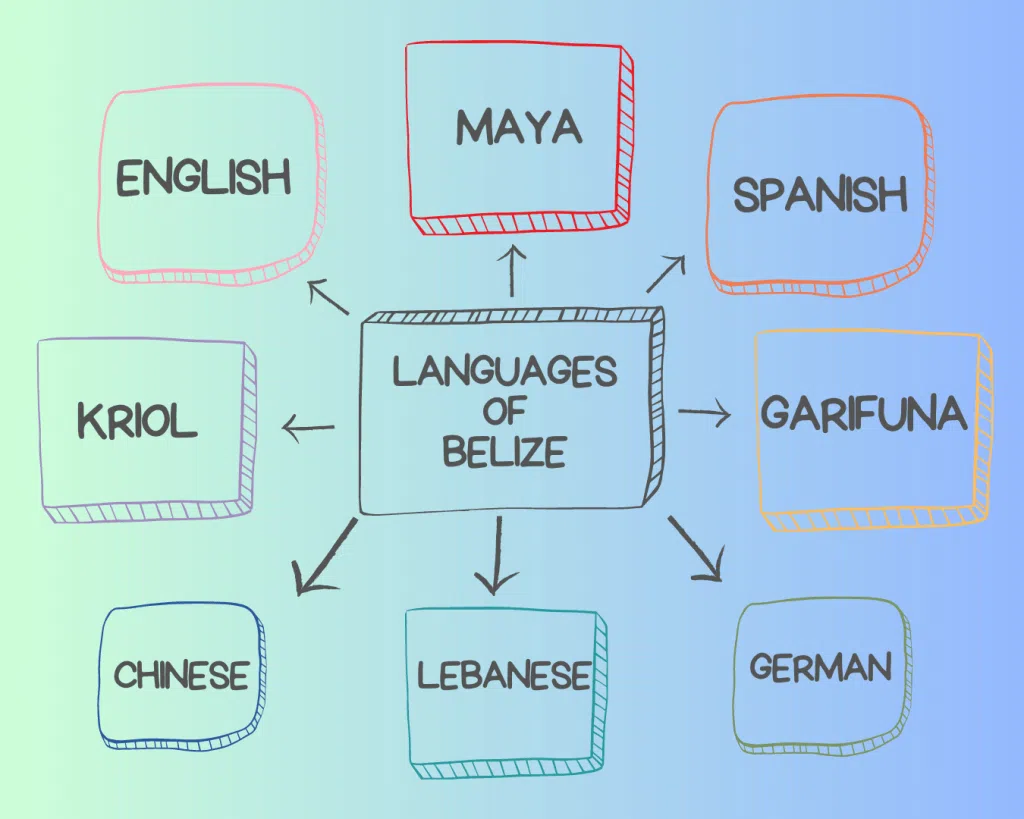
The official language of Belize is English. All road signs are in English, making it highly accessible for independent travelers. While English is the primary language, you will also hear Spanish, Kriol, Mayan dialects, Garifuna and more, spoken throughout the country.
Currency and Payments
The Belize Dollar (BZD) is pegged to the U.S. Dollar at a stable 2:1 ratio ($2 BZD = $1 USD).
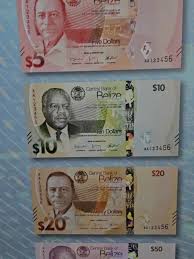
- Legal Tender: U.S. cash is widely accepted, though change is usually given in Belizean dollars. Please note that U.S. coins are not accepted.
- Condition Matters: Merchants will not accept U.S. bills that are torn, faded, folded, marked or show any signs of wear.
- Smart Denominations: While $20 bills are the standard for most transactions, $5 and $10 bills can be useful for small village purchases. It is best to avoid $1 bills, as they are rarely accepted.
- Large Bills: Many local vendors are unable to provide change for $50 or $100 bills, so we recommend keeping smaller denominations for daily use.
- Exchanging Money: There is no need to exchange money before arrival. If you need local cash, ATMs are available at the airport after Customs, and local grocery stores are often the best place to exchange money. Do not use the Currency Exchange booth at the airport!
Facts about Belize Entry Requirements
Travelers from the U.S., Canada, and the UK do not require a visa for stays under 30 days. For visitors from other countries, verify on the official Belize Immigration Website.
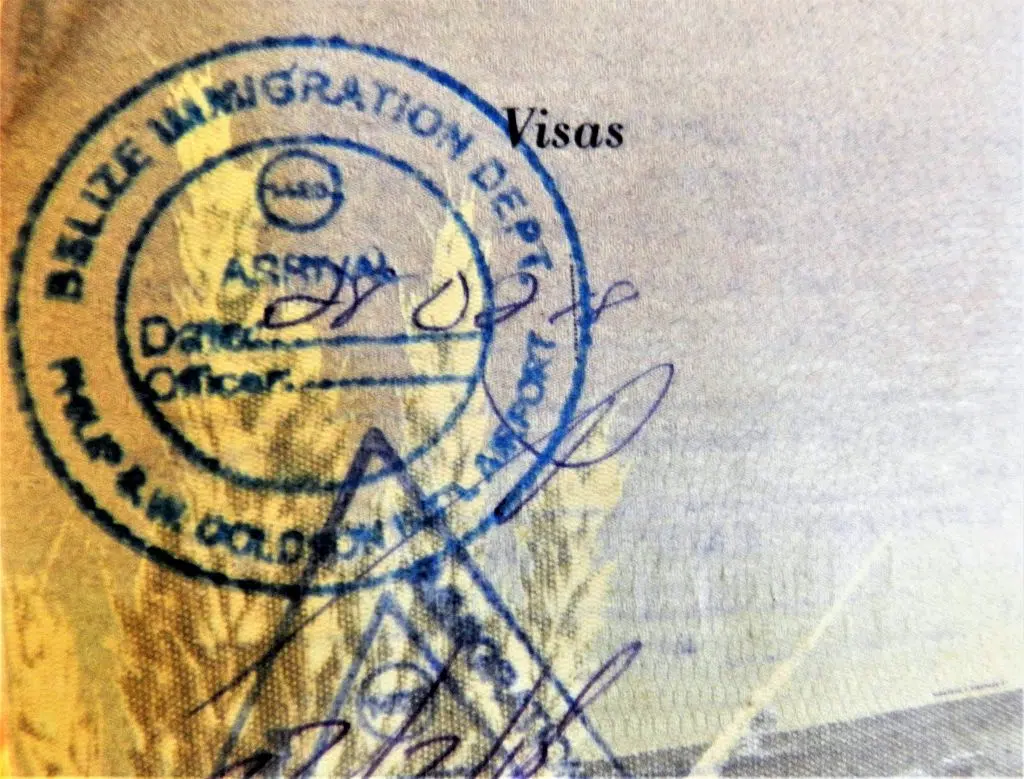
- Passport Validity: Your passport must be valid for at least three to six months beyond your arrival date.
- Entry Permits: Upon entry, you will receive a 30-day visitor’s permit stamp. To stay longer, you must visit an Immigration Office for an extension before the first 30 days expire. [Note: You cannot get an extension at the airport]
- One-Way Tickets: All visitors technically need an onward or round-trip ticket to enter. If you have a one-way ticket, we recommend buying a fully refundable return ticket and canceling it after arrival.
- Customs Forms: Belize has streamlined its process with electronic Customs and Immigration forms available at Philip Goldson International Airport.
- Traveling with Children: If traveling with a minor child without both parents, you must have notarized documentation of consent from the non-traveling parent.
Transportation and Driving
Belize is a very driver-friendly destination for North Americans, as we drive on the right side of the road. Be sure to read Belize Travel Tips for more information about driving in Belize.

- Familiar Units: Unlike many neighbors, Belize uses the Imperial system. Distances are marked in miles, and speed limits are posted in miles per hour (mph). [Note: Rental Cars might be in kph]
- Speed Limits: Generally, the limit is 55 mph on highways and 25–40 mph when passing through towns and villages.
- Fueling Up: Gasoline and diesel are sold by the U.S. Gallon. All Belize gas stations are full-service, meaning an attendant will pump the fuel for you.
- Traffic Control: You will rarely see a traffic light in Belize. Outside of a few in Belize City & Belmopan, and one in San Ignacio, traffic flow is managed by “sleeping policemen”—large, often unmarked speed bumps. It is important to slow down significantly when approaching any village.
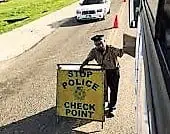
- Checkpoints: It is common to encounter police checkpoints on the main highways. Simply slow down, turn on your interior light if it is dark, and have your driver’s license ready. These are routine and usually very brief. They are checking for insurance stickers on the car in addition to Driver’s Licenses. [Note: You do not need an International Driver’s license in Belize]
Local Rhythms and Customs
Belize operates on a “village rhythm” that rewards early risers and slow travelers.

- Time Zone: Belize stays on Central Standard Time (CST) year-round and does not observe Daylight Saving Time. From March to November, this aligns with U.S. Mountain Time.
- Tipping Etiquette: While not mandatory, tipping is customary for good service.
- Restaurants: 10–15% is standard; check if a service charge is already included at higher-end restaurants.
- Tour Guides: 10% of the tour cost is the standard gesture of appreciation.
- Tour Drivers: If the driver is not the same as your tour guide, it is customary to tip the driver a few Belize dollars.
- Porters/Taxis: $2.00 BZD per bag is the expected rate.
Health and Infrastructure
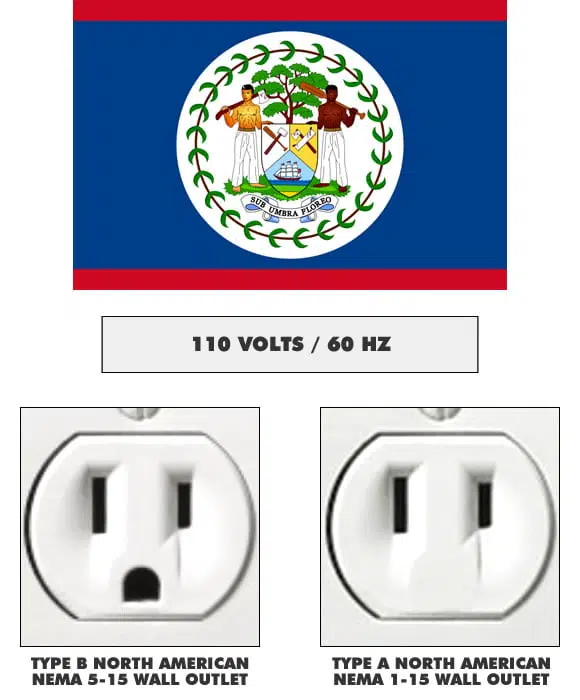
- Electrical Outlets: Belize uses 110-volt outlets, the same as the U.S. Some are two-pronged, so a three-prong adapter might be needed.
- Medical Care: Government hospitals provide free care to everyone, including tourists, while private clinics offer affordable alternatives.
- Pharmacies: Many common medications can be purchased over-the-counter in Belize without a prescription.

The Belize Experience
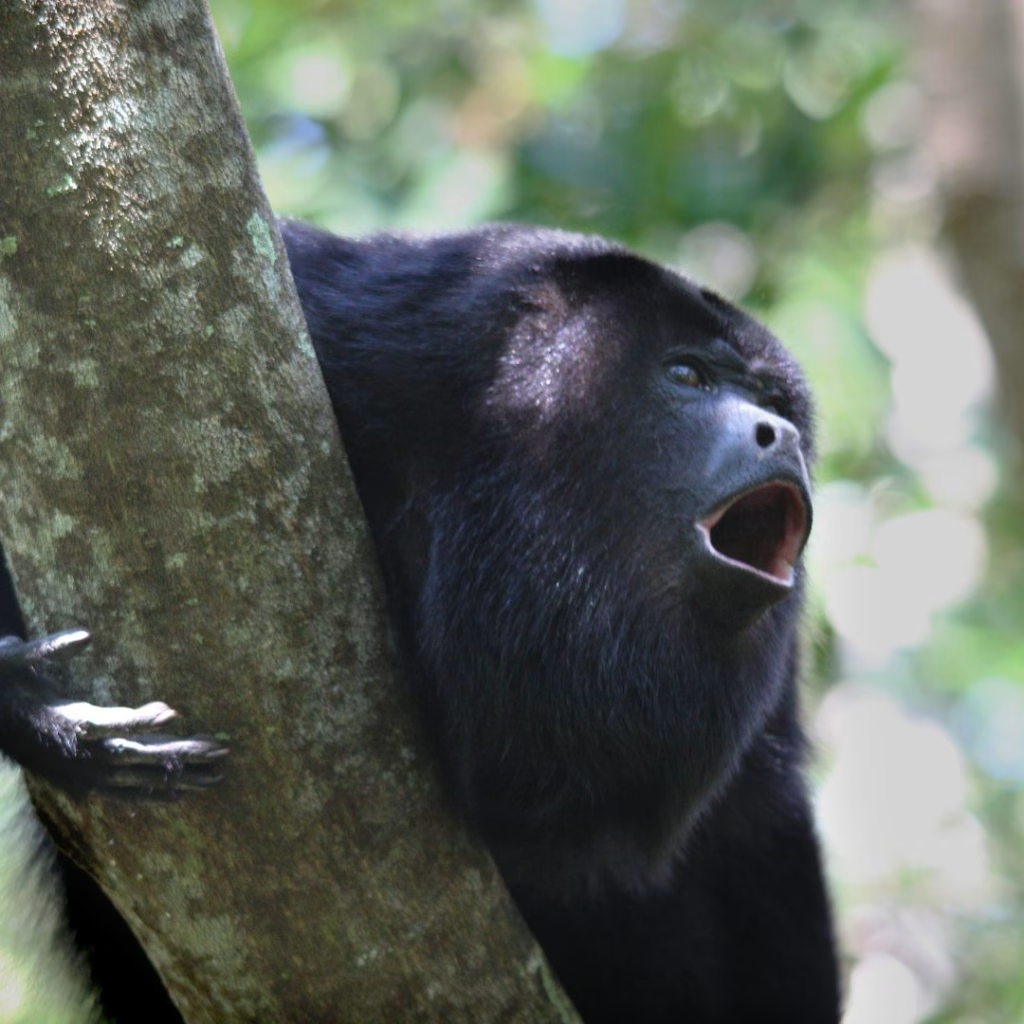
For those seeking a “Belize Experience” rather than a resort, inland destinations like Cristo Rey Village, near San Ignacio, offer a direct connection to nature. You can wake up to the sounds of howler monkeys, walk to local restaurants, and explore ancient Maya sites like Xunantunich. This approach filters out mass tourism in favor of meaningful, grounded travel.
For Even More Interesting Facts about Belize ……
For even more information and facts about Belize, we recommend some of our other blogs: Essentials to Pack, What NOT to pack, our weather and climate, the incredible Diversity of Belize, and Some Sample Itineraries, to help you plan your visit.